 BDSMTube
How It's Made
How Rope Suspension Is Filmed Safely
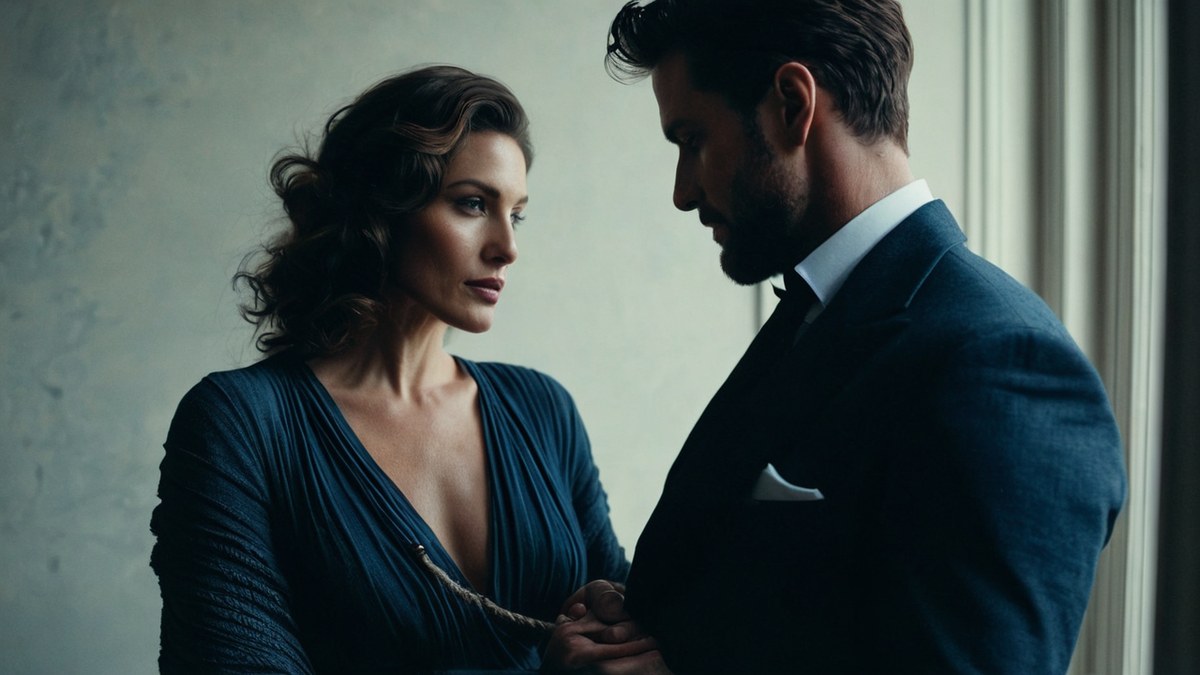
Rope suspension is the most safety-critical rope work there is, and the weightless grace on camera is engineering, not luck. A short tour of the system holding it up.
A trained rigger, first and last
Everything hinges on a skilled rigger who designs the ties, runs the lift, and tracks circulation and nerves the whole way through. This suspension transition is precise, rehearsed work; see what a shibari suspension is.
Load-rated hardware
Suspension leans on gear rated to carry weight: the points, the hardware, and the rope, all chosen for the load. None of it is improvised or grabbed off a hardware-store shelf. It’s specialist equipment with safety margins built in.
Constant monitoring, limited time
The rigger reads the performer continuously, watching colour, warmth, and sensation, and keeps every scene time-limited with a fast way down. Nerve and circulation problems are the genuine risks, so catching them early is the entire job.
Why it’s never a how-to
What looks effortless is hiding years of training and a full safety system. On-camera suspension is a showcase of skill, not an instruction sheet, and it’s the clearest argument for learning rope from teachers rather than from videos.
Related: meet the people behind it in who works on a BDSM shoot.
In practice
Everything on a suspension shoot is built around the rigger. That means load-rated points and hardware, a harness placed to spread the force, a planned sequence, and continuous checks on circulation and nerves with a rapid descent ready to go. Time is capped, and a spotter is common. The visual drama is really a byproduct of a tightly controlled safety process.
For new viewers
Suspension carries real risk, and it is absolutely not something to try from watching. The ease you see on screen is trained skill plus specialist gear. Appreciate it as a high-craft performance, and if it draws you toward rope, begin with ground-based fundamentals under real instruction.
For enthusiasts
The technical quality is what a trained viewer reads suspension for: clean uplines, good load distribution, a rigger who stays attentive and unhurried. They know the hardware and the monitoring aren't negotiable, and that the best scenes make extreme skill look calm. In this genre the engineering is the art.
FAQ
Is rope suspension dangerous?
Suspension carries real risk, it's the most safety-critical rope work there is, which is exactly why it's done by trained riggers with load-rated hardware and constant attention to circulation and nerves. The grace on camera is precise engineering, not spontaneity.
How do performers stay safe during suspension?
Through a skilled rigger, load-bearing hardware, careful harness placement, and continuous monitoring of circulation, nerves and the performer's condition, with a fast way down if needed. Time is limited and the rigger never stops watching. It's engineered, not improvised.